The rise of environmental regulations and the growing demand for sustainable waste management solutions have made pyrolysis plants an integral part of waste-to-energy and recycling industries. However, while these facilities offer tremendous environmental benefits by converting waste into valuable products such as fuel oil, gas, and carbon black, the economic feasibility of pyrolysis projects is often challenged by high operational costs. To ensure long-term success and competitiveness, optimizing the cost structure of a pyrolysis plant has become a necessity. Several strategies are being developed to enhance cost efficiency while maintaining high processing quality and compliance with environmental regulations.
One of the most significant pyrolysis plant cost associated with a pyrolysis plant is the feedstock. Typically, these plants rely on materials such as plastic, rubber, agricultural waste, or used tires. The cost of acquiring feedstock can vary greatly depending on factors like availability, transportation, and contamination levels. To optimize costs, it is essential to establish a reliable and cost-effective supply chain for feedstock. This involves negotiating long-term contracts, partnering with local waste management companies, and exploring alternative feedstocks that are cheaper or abundant in the region. Utilizing waste materials that would otherwise end up in landfills not only reduces costs but also aligns with sustainability goals.
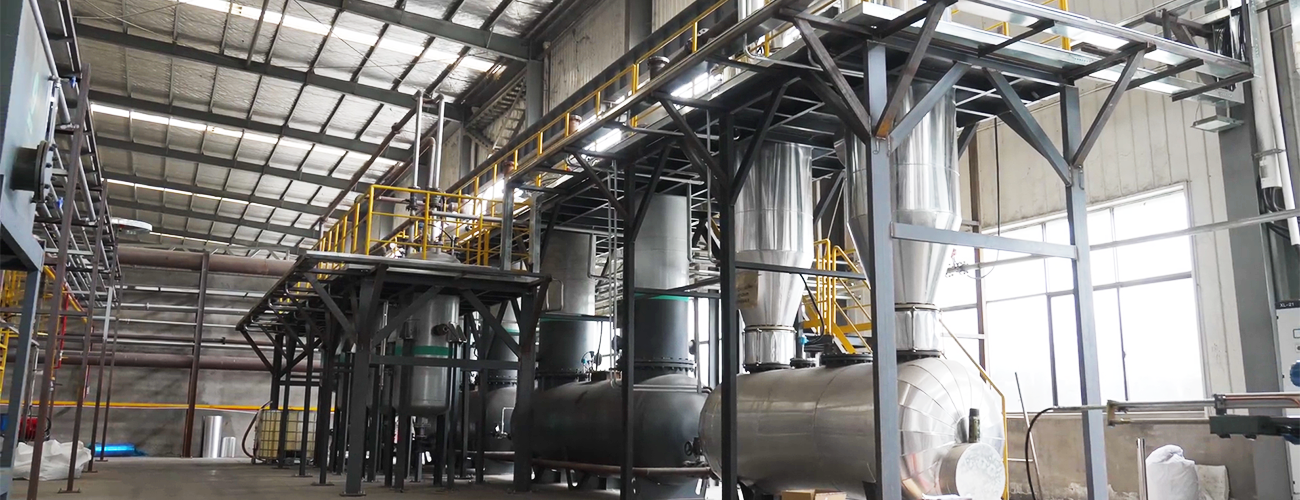
Pyrolysis is an energy-intensive process. The high temperatures required for thermal decomposition demand significant energy input, making energy costs of pyrolysis plant a primary factor in the overall operating expenses of a pyrolysis plant. Optimizing energy consumption is crucial to improving profitability. Several approaches can be employed to achieve this:
Another significant avenue for cost optimization is process efficiency. By enhancing the pyrolysis process itself, plants can increase their throughput and yield while minimizing resource usage. Advanced control systems, including sensors and data analytics, allow for real-time monitoring and adjustments, reducing material wastage and downtime. Automation, specifically in the form of automated feedstock feeding, temperature regulation, and product collection, ensures smooth operations and reduces labor costs.
Optimizing the residence time of the feedstock in the reactor is also an important consideration. By fine-tuning the time the material stays in the reactor, plants can improve the quality and quantity of the end products, such as oil and gas, while also reducing energy consumption.
Pyrolysis plants generate multiple by-products, including syngas, carbon black, and liquid fuel. Traditionally, these by-products are used for energy generation within the plant, but they also have potential commercial value. Selling or repurposing these by-products can diversify revenue streams, thus reducing reliance on the core pyrolysis products.
Finding markets and applications for these by-products can contribute significantly to overall plant profitability.
Compliance with increasingly stringent environmental regulations is non-negotiable in the operation of any pyrolysis plant. However, meeting these regulations without incurring substantial costs requires careful planning and execution. Investing in efficient gas cleaning systems, such as scrubbers and filters, ensures that harmful emissions are minimized. Furthermore, adopting best practices for handling and disposing of solid residues helps reduce landfill waste, while also contributing to sustainability goals.
Minimizing waste within the pyrolysis process also enhances efficiency by reducing the need for further processing or disposal, directly translating into lower operating costs.
Optimizing costs within a pyrolysis plant is essential for maintaining its competitiveness in a rapidly changing industry. By addressing feedstock sourcing, energy consumption, process automation, by-product utilization, and waste minimization, plant operators can significantly improve profitability while staying true to sustainability objectives. As the demand for waste-to-energy solutions continues to grow, efficiency and cost-effectiveness will be key differentiators for successful pyrolysis projects in the years to come.


