Site selection plays a crucial role in the success of a pyrolysis plant dedicated to biochar production. The location can significantly influence operational efficiency, logistics, cost-effectiveness, and environmental sustainability. Careful consideration of various factors during the planning stage can optimize the project’s long-term profitability and operational effectiveness.
The first and most obvious factor in selecting a site for a biochar production project is the proximity to feedstock sources. Biochar is produced through the pyrolysis of organic materials, such as agricultural residues, wood chips, or even certain types of waste plastic. The closer the site is to abundant, low-cost feedstocks, the more cost-efficient the plant will be in terms of transportation and material procurement.
For instance, locating the biochar plant near agricultural hubs or biomass-rich areas can provide access to materials like rice husks, sawdust, and crop waste. If the feedstock is waste from urban areas, proximity to landfills or recycling centers may be beneficial. Furthermore, the availability of waste materials can reduce the overall cost of raw materials, making the project financially viable.
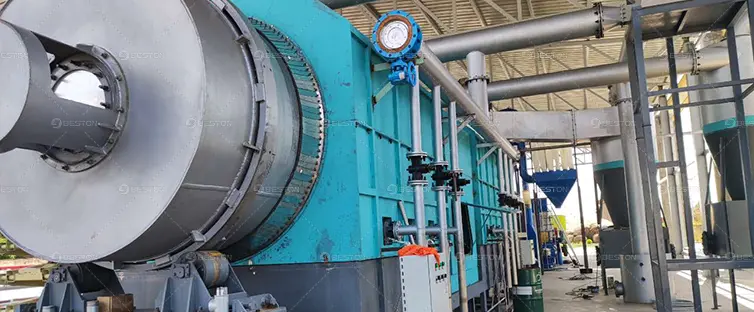
An optimal site should have adequate infrastructure to support the operational demands of a pyrolysis plant. This includes easy access to transportation networks, such as highways, railroads, and ports, which are essential for the delivery of raw materials and the distribution of finished biochar products. Efficient transportation will minimize costs and reduce delays.
In addition to transportation, the site should have access to reliable utilities, such as electricity, water, and gas. For a biochar pyrolysis machine, a steady supply of energy is essential, as the pyrolysis process requires high temperatures that can be energy-intensive. Moreover, the availability of water may be necessary for cooling systems and other operational needs. An accessible energy supply reduces operational disruptions and minimizes dependence on costly external resources.
Environmental regulations and local policies are another critical factor when selecting a location. Biochar production involves the thermal decomposition of organic materials, which can result in emissions such as particulate matter, volatile organic compounds (VOCs), and gases like carbon monoxide. Regulatory compliance is essential to avoid costly fines and ensure the plant's long-term viability.
Choosing a location with favorable environmental regulations will help streamline the permitting process and reduce delays. The site should be located in an area with manageable air quality restrictions and emissions standards. Additionally, some regions may offer tax incentives, subsidies, or grants for eco-friendly projects, making them more attractive locations for biochar production facilities.
Moreover, assessing the impact of the pyrolysis plant on the local ecosystem is vital. A thorough environmental impact assessment (EIA) will help ensure that the plant operates sustainably and does not adversely affect surrounding ecosystems, including soil and water quality.
The successful operation of a pyrolysis plant depends on the availability of skilled labor. The complexity of the pyrolysis process requires operators who are trained in system maintenance, troubleshooting, and overall plant management. The chosen site should be in an area where skilled labor is readily available, or where training programs are accessible to ensure an efficient workforce.
If the location is in a remote area, the costs associated with recruiting and retaining skilled labor may be higher. Therefore, it is essential to assess the local labor market and evaluate the availability of technicians, engineers, and plant operators with the necessary expertise to run and maintain the pyrolysis equipment.
After production, biochar needs to be distributed to various end users, such as farmers, environmental remediation companies, or construction firms. Therefore, it is vital to consider the market access when selecting a location for a pyrolysis plant. Proximity to key markets, such as agricultural regions, urban areas, or industrial zones, can simplify distribution logistics and reduce transportation costs.
In addition to direct access to markets, a well-located site may benefit from established supply chains, where biochar can be easily integrated into existing product lines. For example, a biochar production plant located near a fertilizer or soil enhancement facility can create synergies and streamline distribution networks.
Finally, it is important to conduct a risk assessment to understand the potential hazards associated with the site. Natural risks, such as flooding, earthquakes, or extreme weather events, can disrupt plant operations and pose a threat to safety. Additionally, considering the social impact on the local community is critical. Establishing a pyrolysis plant in a community without proper outreach may lead to resistance or opposition, particularly if the process is perceived as environmentally harmful or hazardous.
Engagement with local stakeholders and authorities can facilitate smoother approvals and foster positive relationships, helping the project become an integral part of the local economy. Open communication can also address concerns about safety and environmental impact, leading to better community relations.


