Wood pyrolysis is a promising method for producing valuable products such as biochar, bio-oil, and syngas. However, one of the most common operational challenges in pyrolysis plants is the formation of tar during the thermal decomposition of wood. Tar, which consists of complex hydrocarbons, can accumulate and cause significant blockages in the system, leading to operational inefficiencies, equipment damage, and reduced product yields. Addressing the issue of tar formation is critical for optimizing the efficiency of pyrolysis operations. Several strategies can be employed to minimize or prevent tar blockages during wood pyrolysis.
During the pyrolysis process, wood is heated in the absence of oxygen, causing it to decompose into volatile gases, bio-oil, and solid biochar. The volatile gases consist of a mixture of water vapor, carbon dioxide, methane, and various organic compounds. Some of these organic compounds condense at lower temperatures, forming tar. Tar is a complex, sticky substance composed of large molecular chains that can accumulate and block pipes, reactors, and condensers. The presence of tar is particularly problematic because it can decrease the efficiency of heat transfer and reduce the overall yield of high-value products like bio-oil and syngas.
The tendency for tar formation depends on various factors, including temperature, feedstock composition, and the residence time of the wood inside the pyrolysis reactor.
One of the most effective ways to prevent tar formation in a wood charcoal making machine is by maintaining an optimal temperature range during the pyrolysis process. The temperature at which pyrolysis occurs plays a crucial role in the type and quantity of products generated.
In general, higher temperatures favor the production of syngas and biochar, while minimizing the formation of tar. Temperatures between 450°C and 600°C are ideal for producing high-quality bio-oil with minimal tar content. At these temperatures, wood decomposition proceeds rapidly, and the volatile compounds are more likely to be converted into gases rather than tar.
At lower temperatures (below 400°C), tar formation is more prevalent. This is because the wood has not yet reached a high enough temperature to break down all the complex organic molecules into gaseous products. To avoid tar buildup, it is essential to maintain sufficient heat during the pyrolysis process, ensuring that the volatile compounds are adequately vaporized and do not condense into tar.
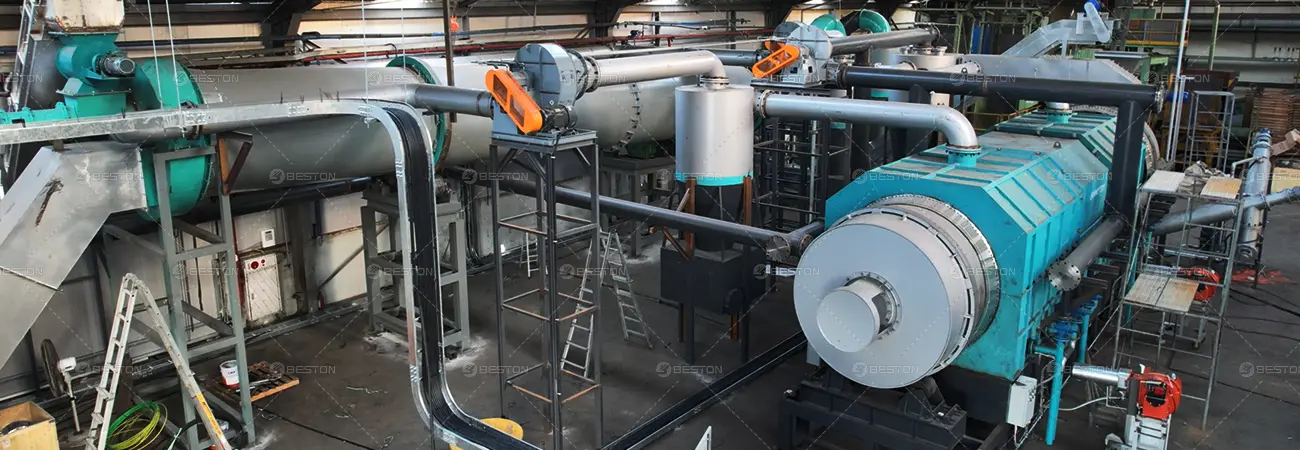
The composition and moisture content of the wood feedstock have a significant influence on the amount of tar produced during pyrolysis. Wood with high moisture content or excessive amounts of volatile matter is more likely to produce large quantities of tar. Therefore, pre-treating the feedstock before introducing it into the charcoal making machine is an important step in reducing tar formation.
Pre-drying the wood before pyrolysis can significantly reduce the moisture content and improve the efficiency of the pyrolysis process. Wood with lower moisture content allows for faster heating and more complete decomposition, reducing the likelihood of tar formation. A moisture content below 10% is generally considered optimal for pyrolysis.
The size of the wood particles also impacts the formation of tar. Smaller particles have a larger surface area relative to their volume, which allows for better heat transfer and quicker decomposition. Properly sizing the wood particles before loading them into the pyrolysis reactor can help ensure more uniform heating, which reduces the chances of incomplete decomposition and excessive tar formation.
Another method to control tar production in a pyrolysis plant is the use of catalysts and additives that promote the cracking of tar molecules into smaller, less viscous compounds. Catalysts such as zeolites, alumina, and silica can be introduced into the pyrolysis reactor to facilitate the breakdown of heavy hydrocarbons, thereby minimizing tar formation.
Catalytic cracking involves the use of solid catalysts to promote the breakdown of larger molecules into smaller, lighter hydrocarbons. This process not only reduces tar formation but also enhances the overall efficiency of the pyrolysis plant by increasing the yield of syngas and bio-oil.
In addition to catalysts, certain additives can be used to prevent tar from condensing. These additives can modify the chemical structure of the tar and make it easier to break down. For instance, calcium-based additives have been shown to reduce tar formation by binding to certain components of the wood during pyrolysis.
The design of the pyrolysis reactor itself plays an important role in mitigating tar blockages. Effective reactor designs can optimize heat transfer, improve the uniformity of the temperature distribution, and reduce tar accumulation.
Fluidized bed reactors are particularly effective at minimizing tar formation because they provide excellent heat transfer and allow for more uniform heating of the feedstock. The fluidized bed also facilitates the continuous removal of volatile gases, preventing the condensation of tar within the reactor.
Another method to prevent tar blockages is through continuous feeding of wood into the pyrolysis reactor and the rapid removal of gases. By ensuring that volatile compounds are quickly evacuated from the reactor, the chances of condensation and tar formation are reduced. This method can help maintain a steady production rate and minimize operational disruptions caused by tar blockages.
Even with careful temperature control, feedstock preparation, and reactor optimization, some tar accumulation may still occur over time. Therefore, it is essential to implement a regular maintenance and cleaning schedule for the pyrolysis plant. Periodically cleaning condensers, pipes, and reactors can help prevent the buildup of tar and maintain efficient operation.
By implementing these strategies—maintaining optimal temperature ranges, pre-treating feedstock, using catalysts, optimizing reactor design, and adhering to regular maintenance schedules—a pyrolysis plant can significantly reduce the risk of tar blockages. These measures not only enhance the efficiency of the process but also improve the overall product yield, making wood pyrolysis a more viable and sustainable method for converting biomass into valuable energy resources.


