Thermal management is one of the most decisive factors in the safe operation of a pyrolysis plant. The process relies on sustained high temperatures, yet those same conditions create a spectrum of hazards ranging from equipment degradation to uncontrolled combustion. Without stringent control, thermal risks can compromise both human safety and environmental integrity.
The reactor serves as the epicenter of thermal activity. Uneven heat distribution leads to localized hotspots, which may accelerate material fatigue or trigger partial combustion of feedstock. To prevent such instability, reactors should be equipped with multiple temperature sensors at different zones, ensuring precise monitoring. Automated feedback systems allow for real-time adjustments, maintaining heat within optimal thresholds. Excessive reliance on manual oversight increases the chance of delayed intervention and escalated risk.
Continuous exposure to elevated temperatures places extreme stress on reactor walls and associated piping. If materials lack high thermal resistance, cracks or warping may emerge, resulting in gas leaks or catastrophic failures. Refractory lining provides critical insulation, minimizing heat loss while protecting steel structures from thermal shock. Insulation also shields external surfaces, reducing the danger of accidental burns to operators. Regular inspection of refractory integrity and systematic replacement schedules extend the operational lifespan of core equipment of pyrolysis machine.
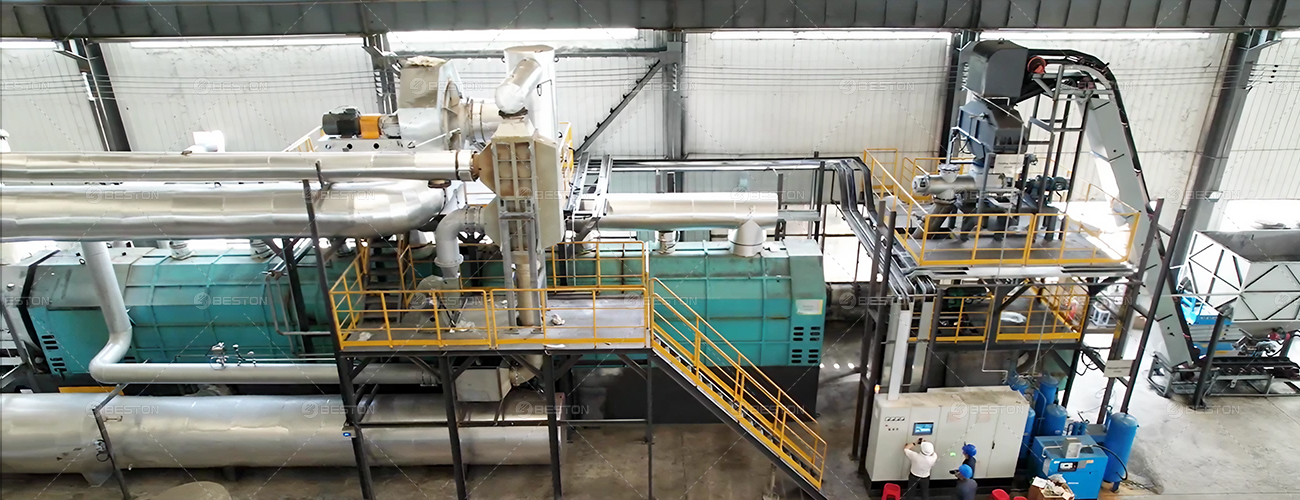
A continuous pyrolysis plant generates volatile vapors that must be condensed swiftly. Malfunction in cooling or quenching units can leave vapors uncontained, raising the probability of secondary ignition. Oversized cooling capacity offers a safety margin, ensuring adequate condensation even during process fluctuations. Water-based systems must be carefully balanced to prevent thermal pollution in discharged effluents, while air-cooled condensers require consistent airflow management.
Residual char removal presents another potential ignition hazard. Without proper quenching, smoldering embers may persist and reignite when exposed to oxygen. Operators must adopt sealed, cooled handling systems to prevent open-air contact with high-temperature residues.
Thermal risks extend directly to human health. Radiant heat from reactors, condensers, and pipelines can cause occupational heat stress, particularly in poorly ventilated enclosures. Personal protective equipment reduces direct exposure but is insufficient without systemic safeguards. Safety zoning, adequate ventilation, and heat shields significantly lower operator vulnerability.
Operational discipline is equally vital. Maintenance tasks on heated components must be preceded by thorough cooldown procedures. Lockout–tagout systems prevent accidental reactivation during repairs. Training programs should emphasize recognition of early warning signs such as abnormal odors, unusual vibrations, or rising external surface temperatures.
Failure to manage heat properly can amplify emissions of tar, particulates, and volatile organic compounds. These pollutants not only endanger nearby communities but also undermine the environmental purpose of a pyrolysis plant. Preventive measures include precise control of residence time, ensuring complete thermal decomposition without exceeding combustion thresholds. Advanced gas scrubbing technologies capture residual contaminants, while robust flare systems provide a last line of defense during emergency venting.
Thermal discharge into natural ecosystems poses additional concerns. Cooling water must be treated and released at regulated temperatures to prevent ecological disruption. Integration of closed-loop cooling systems mitigates this impact, reducing reliance on freshwater sources and minimizing thermal effluent release.
The most effective prevention strategy lies in combining resilient engineering design with continuous monitoring. Redundant pressure relief devices and emergency shutdown systems contain risks when operating parameters are breached. Infrared thermography offers non-intrusive detection of heat anomalies, while gas analyzers track volatile concentrations before they reach hazardous levels. Predictive analytics, supported by historical operational data, can forecast abnormal heat trends and trigger preemptive adjustments.
A pyrolysis plant must balance its reliance on high thermal energy with equally robust safety protocols. Engineering safeguards, cooling resilience, disciplined operation, and environmental responsibility together create a framework that suppresses thermal hazards. Through systematic design and vigilant monitoring, facilities can operate at industrial scale without compromising safety or sustainability. Thermal risk cannot be eliminated, but it can be effectively controlled, enabling pyrolysis to remain a viable cornerstone of waste-to-energy innovation.


