Olive cultivation generates immense volumes of agricultural byproducts each year, ranging from pruning residues to olive mill pomace. Traditionally, these waste streams have been considered a disposal burden, often leading to open burning or uncontrolled dumping. However, with the advent of thermochemical conversion technologies, olive residues are increasingly recognized as valuable feedstocks for sustainable material and energy production. Among the most promising solutions is the transformation of olive waste into biochar through a biochar machine.
Olive processing industries face significant challenges in managing residues due to their high organic load and moisture content. Direct disposal not only strains the environment but also presents regulatory compliance issues in regions with strict waste management directives. By redirecting these materials into controlled thermal conversion, producers can derive a carbon-rich product with a spectrum of environmental and economic benefits. The process unlocks latent energy potential while contributing to waste valorization and rural development.
The biochar derived from olive biomass is notable for its porous structure, high surface area, and stable carbon content. These physicochemical attributes make it highly suitable for applications in soil amendment, where it improves water retention, enhances nutrient availability, and stabilizes organic matter. Furthermore, its alkaline nature helps neutralize soil acidity, particularly valuable in regions with degraded agricultural land. When applied at scale, this material not only boosts crop yields but also supports long-term carbon sequestration by storing stable carbon in terrestrial systems.
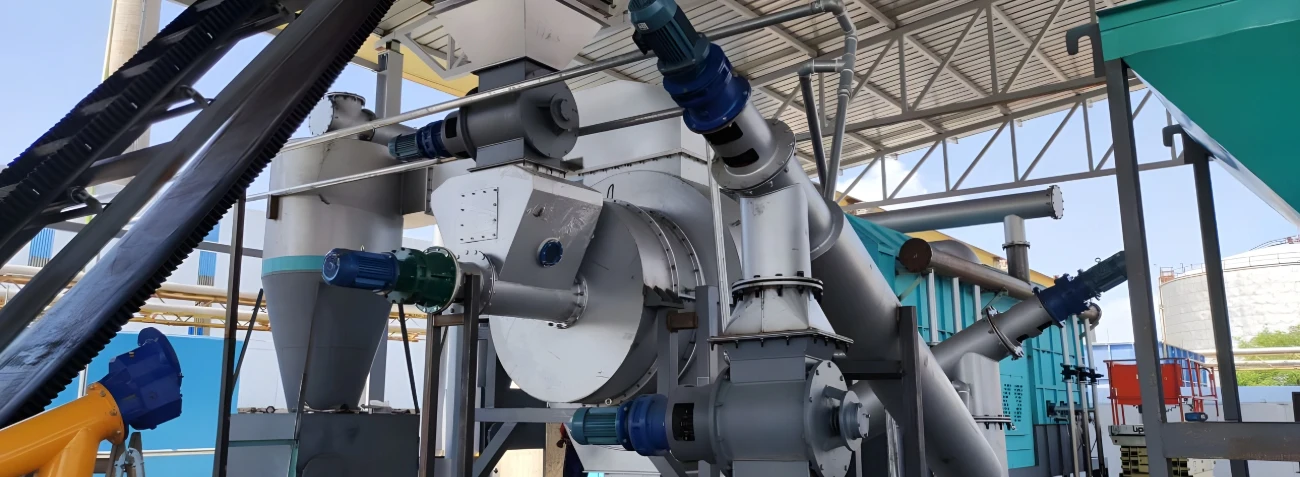
The core of this transformation lies in the pyrolysis process. Feedstock preparation involves drying and size reduction, after which biomass enters the reactor chamber of a biochar pyrolysis equipment. In the absence of oxygen, thermal decomposition occurs, yielding three primary outputs: biochar, syngas, and bio-oil. While biochar represents the key product for agronomic and environmental applications, the syngas fraction can be reused to fuel the system itself, minimizing external energy requirements. Bio-oil, on the other hand, can be refined for heating or industrial use, expanding the revenue profile of such operations.
The global demand for biochar is rising steadily, driven by its dual role as a soil enhancer and a tool for carbon removal. Olive-producing regions such as the Mediterranean basin, North Africa, and parts of the Middle East are uniquely positioned to capitalize on this trend due to the sheer scale of available biomass. Establishing localized pyrolysis infrastructure not only reduces transportation costs but also creates employment opportunities in rural communities. With supportive policy frameworks and growing voluntary carbon markets, biochar projects can access new financial streams through carbon credit generation.
Utilizing olive residues for biochar production offers multiple environmental gains. It reduces methane emissions from decomposing waste, limits air pollution associated with uncontrolled burning, and creates a permanent carbon sink. At the same time, it lessens dependency on chemical fertilizers, thereby reducing nitrate runoff and soil degradation. Strategically, it supports regional energy independence by harnessing byproducts that would otherwise remain unused. For stakeholders in the olive industry, this represents a rare convergence of ecological responsibility and financial profitability.
The shift from conventional waste disposal to value-added biochar production requires coordinated investment in technology, logistics, and market development. As demand for climate-positive solutions accelerates, olive waste will no longer be regarded as a liability but as a cornerstone resource within circular economy frameworks. With the deployment of efficient pyrolysis plant systems, the olive sector can redefine its sustainability profile while unlocking durable business opportunities that extend far beyond agriculture.


