Plastic waste is one of the most pressing environmental issues today. As industries seek sustainable ways to manage plastic waste, pyrolysis has emerged as a promising solution. The pyrolysis process involves breaking down plastics at high temperatures in an oxygen-limited environment, resulting in valuable byproducts such as oils, gases, and char. However, one of the challenges that must be addressed during plastic pyrolysis is the removal of wax-like substances, which can form as a byproduct during the thermal decomposition of certain types of plastic. This wax, if not effectively removed, can lead to equipment fouling, reduced product quality, and overall inefficiency in the pyrolysis plant.
In the context of plastic pyrolysis, the term "wax" generally refers to the solid, sticky, and high-boiling-point substances that are produced during the decomposition of polymers. These wax-like byproducts are typically formed during the pyrolysis of plastics like polyethylene (PE), polypropylene (PP), and polystyrene (PS), which are widely used in various industries. Wax formation occurs as a result of the cracking of long-chain hydrocarbons into smaller molecules, some of which may condense into viscous substances that resemble natural wax.
The wax produced in the pyrolysis process can accumulate in several parts of the system, including the reactor, condenser, and collection units. The build-up of wax can cause a variety of problems, such as clogging, which reduces the efficiency of heat transfer and increases the need for maintenance. Wax accumulation can also impair the quality of the oils and gases produced, potentially rendering them unsuitable for commercial use.
Effective removal of wax during plastic pyrolysis is essential for maintaining the performance and longevity of a plastic pyrolysis plant. If wax is not adequately addressed, it can result in:
Thus, effective wax removal is not just about improving the efficiency of the pyrolysis process but also about ensuring the economic viability of the operation.
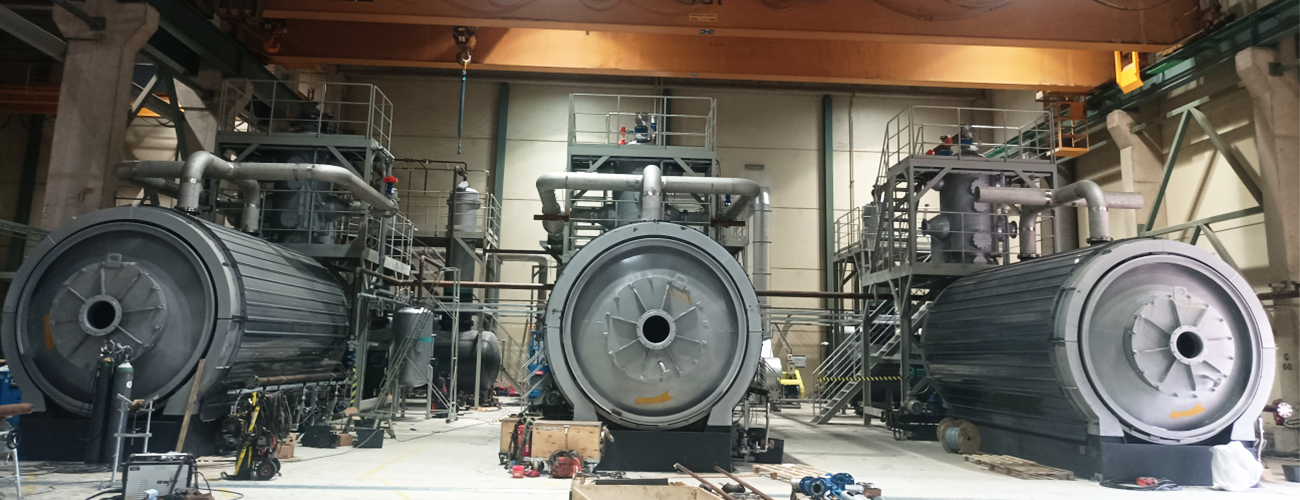
Several approaches can be employed to manage and remove wax in a plastic to fuel machine. The most common methods include:
Temperature plays a pivotal role in the formation of wax during pyrolysis. By carefully controlling the pyrolysis temperature, it is possible to minimize the formation of wax-like byproducts. Typically, higher temperatures (above 500°C) can prevent the condensation of long-chain hydrocarbons, thus reducing the amount of wax produced. However, extreme temperatures may lead to other issues, such as incomplete pyrolysis or undesirable products. Therefore, temperature must be precisely regulated for optimal wax removal while maintaining overall process efficiency.
One of the most straightforward methods for removing wax is through vapor condensation. During pyrolysis, the gases that are released may contain both vaporized wax and other volatile organic compounds. As these gases cool down, the wax may condense into a solid form. This solid can then be separated from the gas stream, either through filtration or collection chambers designed to trap condensates. A well-designed condenser unit can ensure that the wax is separated before it enters the downstream systems, preventing clogging and maintaining flow.
Solvent extraction can be used as a post-processing technique to separate wax from the liquid products produced during pyrolysis. By introducing a solvent such as n-hexane or acetone, the wax can be dissolved and separated from other valuable hydrocarbons. This method is particularly effective when the wax has been condensed into a solid and needs to be removed from the liquid streams to ensure product purity. However, the use of solvents requires careful handling to avoid environmental contamination and the need for proper disposal or recycling.
Catalytic cracking is another method that can help reduce the formation of wax during pyrolysis. By using specialized catalysts, it is possible to break down long-chain hydrocarbons more effectively, leading to fewer wax-like byproducts. Catalysts such as zeolites or alumina-based materials can facilitate the cracking of larger molecules into smaller ones, reducing the amount of solid wax produced. Catalytic cracking may also improve the yield of liquid fuels and gases, making the process more efficient and economical.
Installing advanced filtration systems, such as cyclone separators or electrostatic precipitators, can help in capturing and removing the wax particles from the gas stream. These systems can collect the condensed wax droplets or aerosols before they settle in undesirable locations. Filters can also be designed to withstand the high temperatures and corrosive nature of the pyrolysis gases, ensuring long-term reliability and effectiveness.
The removal of wax in plastic pyrolysis has significant environmental and economic implications. From an environmental perspective, controlling wax formation reduces the amount of waste generated by the process and ensures that the products produced are clean and suitable for reuse or further processing. Additionally, efficient wax removal reduces the risk of contamination in the air or water, contributing to a cleaner and more sustainable operation.
From an economic standpoint, preventing wax accumulation enhances the productivity of the pyrolysis plant. By maintaining consistent output and avoiding costly downtime for maintenance, operators can ensure a steady and reliable supply of valuable products like oil and gas. This can increase the profitability of the plant and contribute to the overall success of the plastic recycling initiative.
The issue of wax removal is one that requires careful attention during the design and operation of a pyrolysis plant. By incorporating methods such as temperature control, condensation, solvent extraction, catalytic cracking, and advanced filtration, operators can effectively manage the wax byproducts, ensuring both operational efficiency and product quality. As the demand for sustainable plastic waste management solutions continues to grow, advancements in wax removal technologies will play an essential role in the future of pyrolysis-based recycling processes.


